

When Lifespan Outpaces Healthspan
Why Powers of Attorney Are Taking Centre Stage
- By Andrea Love, President & CEO, Legacy Private Trust
- Estate Administration Resources, Power of Attorney Resources
For decades, the conversation around aging has focused on one central question: How long will we live?
Today, the health and wellness industry is asking a different question: How well will we live?
The distinction has given rise to growing interest in two concepts: lifespan, the total number of years we live, and healthspan, the years we spend in good health, maintaining our physical vitality, cognitive abilities and independence.
From longevity clinics and preventative medicine to fitness programs and nutritional science, an entire industry is emerging around the goal of extending not simply our lives, but the years in which we can enjoy them.
Yet while the health and wellness sector focuses on closing the gap between lifespan and healthspan, the financial services industry needs to pay closer attention to what happens when that gap remains.
Because living longer does not necessarily mean being able to manage our own affairs for longer.
The Longevity Gap We Aren’t Talking About
Statistics Canada’s latest health-adjusted life expectancy data illustrates this challenge. In 2023, a Canadian woman reaching age 65 could expect to live another 22.3 years, but only 15.8 of those years, on average, would be spent in good health. For men, the figures were 19.7 additional years of life and 14.7 years in good health.
That represents approximately five to six and a half years of later life affected by health limitations.
These figures do not mean that individuals necessarily lose their ability to make financial decisions during those years. Physical health, cognitive capacity and financial decision-making ability are different measures. But they highlight an important reality: many Canadians will experience a period of declining health or independence before the end of their lives.
And that period deserves as much attention in financial and estate planning as retirement itself.
When Financial Independence Doesn’t Last as Long as Life
Traditional financial planning often assumes two broad phases: accumulating wealth during our working years and drawing upon that wealth during retirement.
Estate planning then focuses on what happens to our assets after death.
But increasingly, there is a third phase that deserves its own consideration: the period when an individual is still living, but needs assistance managing their financial affairs.
This may develop gradually through cognitive decline, dementia or other age-related conditions. It may arise suddenly following a stroke, accident or serious illness. In some cases, a person may remain mentally capable but find the administrative demands of managing their finances increasingly burdensome.
The consequences can be significant.
Investment decisions still need to be made. Bills and taxes must be paid. Properties need maintenance. Financial institutions require instructions. Family members may need support. And the costs associated with care can introduce an entirely new level of financial complexity.
A carefully constructed retirement plan may account for living to age 95. But does it account for who will manage that plan if the individual can no longer do so independently at age 85?
The Growing Importance of Powers of Attorney
This is where Powers of Attorney for Property (POAs) become increasingly important.
A Power of Attorney for Property allows an individual to appoint another person or, where permitted, a professional institution such as a trust company to manage financial and property matters on their behalf.
Depending on the terms of the document and applicable provincial legislation, that authority may be exercised while the individual remains capable or may begin only upon a specified event, such as a determination of incapacity.
Historically, Powers of Attorney have often been viewed as precautionary legal documents, signed alongside a will and then placed in a drawer.
But the growing focus on healthspan suggests that we should think about them differently.
A Power of Attorney is not simply a document preparing for incapacity. It is a plan for financial continuity throughout a longer and potentially more complex life.
As Canadians live longer, there is reason to anticipate greater demand for assistance with financial administration, particularly when health limitations, cognitive decline or family circumstances make independent management difficult.
While comprehensive Canadian data demonstrating a national increase in POA activations is limited, the underlying demographic and health trends point to an increasingly important role for substitute decision-making and professional financial support.
Why Families May Need More Support
Appointing a spouse or adult child as attorney is a common and often appropriate choice. But the responsibilities involved can be substantial.
An attorney for property may need to oversee investments, manage real estate, coordinate tax filings, pay care expenses, maintain financial records and make decisions involving competing family interests.
These duties can continue for years.
For adult children, they often arrive during an already demanding stage of life, when they are balancing careers, raising families and supporting aging parents.
Geography can add another complication. Families are increasingly dispersed, and managing a parent’s financial affairs from another city or country can be difficult.
There is also an important distinction between being someone a parent trusts and being someone who has the time, experience and resources to manage a complex financial life.
Even close and capable family members may find the administrative and fiduciary responsibilities overwhelming.
The Role of a Professional Attorney for Property
As the years between healthy independence and end of life become an increasingly important planning consideration, professional trust companies have a meaningful role to play.
A trust company can provide continuity, financial administration expertise, established controls and accountability, particularly where an individual has significant assets, complex affairs or limited family support.
For some families, appointing a professional attorney can help remove the burden of financial management from loved ones, allowing them to focus on providing companionship, care and emotional support.
For others, a trust company can act alongside or in support of family members, providing professional administration while preserving family involvement in important decisions.
The objective is not to replace family relationships. It is to support them.
And perhaps most importantly, it is to ensure that an individual’s financial affairs continue to be managed responsibly and in accordance with their wishes, even when their personal circumstances change.
Planning for Vitality, Preparing for Vulnerability
The growing interest in longevity and vitality is encouraging. Advances in preventative health, medicine and wellness may help more people enjoy longer, healthier and more independent lives.
But good planning requires preparing for more than the best-case scenario.
We plan for market volatility even when we expect investments to grow. We purchase insurance even when we hope never to need it. And we create wills even though we would prefer not to contemplate the end of our lives.
We should apply the same thinking to the possibility that our financial independence may not extend throughout our lifespan.
That means considering who will manage our affairs, whether they are equipped for the responsibility, how decisions will be made, and whether the arrangements we establish today will remain appropriate decades from now.
The goal of longevity planning should not simply be to ensure our money lasts as long as we do. It should also ensure that our financial affairs remain in capable hands throughout our lives.
At Legacy Private Trust, we believe thoughtful planning is about more than protecting wealth for the next generation. It is about protecting the people who built that wealth, preserving their dignity and providing confidence that their affairs will be managed with care. We’ve spent decades helping Canadians plan for how long their money will last. It’s time we paid equal attention to who will manage that money when they no longer can.
Because while the wellness industry works to add life to our years, the trust industry has an equally important responsibility: helping ensure that those years are supported by security, continuity and peace of mind.
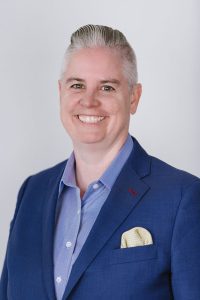
Andrea Love
President & CEO, Legacy Private Trust